
Japan has many traditional customs tied to the seasons, and one of the most beloved—especially among children—is Otoshidama. For people who grew up in Japan, this New Year tradition feels completely natural. But for those from other countries, the idea of giving money to children at the start of the year can be surprising or even puzzling.
This article explains Otoshidama in a clear and friendly way for readers who may be unfamiliar with Japanese culture. We’ll explore its meaning, origins, modern practices, and cultural significance.
What Is Otoshidama?
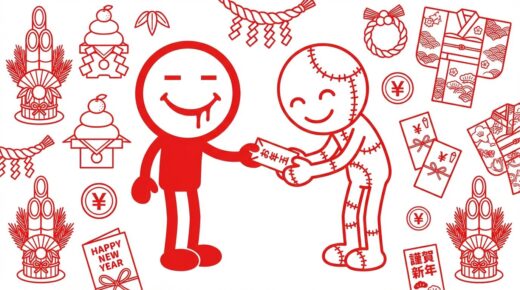
Otoshidama is a monetary gift that adults give to children during the New Year.
Parents, grandparents, relatives, and close family friends typically give these small envelopes of money as a way to celebrate the new year and wish children good health and growth.
The money is placed inside a small decorative envelope called a “pochibukuro.” These envelopes come in countless designs—traditional patterns, zodiac animals, cute characters, and more.
For readers outside Japan, Otoshidama is somewhat similar to:
- Christmas gifts
- Birthday money
- Cards with cash enclosed
However, Otoshidama is unique because it is specifically tied to the New Year and is given almost exclusively to children.
The Origins and History of Otoshidama
Interestingly, Otoshidama did not originally involve money. Its roots lie in New Year offerings to the gods.
● “Toshigami” and the Sacred New Year Mochi
In traditional Japanese belief, a deity called Toshigami visits each household at the beginning of the year to bring blessings such as good harvests and health. Families would offer rice cakes (mochi) to this deity.
After the New Year, the mochi was divided among family members. This shared mochi was called “otoshidama”, meaning “the spirit of the year.” Over time, the word evolved to refer to the gift itself.
● From Mochi to Money
As society changed, the gift shifted from mochi to various items, and eventually to money.
During the Edo period, merchants also gave money or goods to their apprentices as a New Year’s bonus, which further shaped the modern custom.
How Otoshidama Is Given Today
In modern Japan, Otoshidama is almost always given as cash.
However, the amount and style vary widely depending on the family and region.
● Typical Amounts
There is no strict rule, but common amounts look like this:
| Age | Typical Amount |
|---|---|
| Preschool | Around 1,000 yen |
| Elementary school | 2,000–5,000 yen |
| Junior high | Around 5,000 yen |
| High school | 5,000–10,000 yen |
| University students | Around 10,000 yen |
These are only guidelines. Each family decides based on their values and financial situation.
● The Pochibukuro Tradition
Giving money directly is considered impolite in Japanese culture, so the money is placed in a pochibukuro.
This small envelope adds a sense of ceremony and respect.
● When It’s Given
Otoshidama is usually given:
- On New Year’s Day
- When relatives gather
- During New Year greetings
The Meaning Behind Otoshidama
Otoshidama is more than just a monetary gift. It reflects deeper cultural values.
● Celebrating Growth
It marks the child’s safe growth over the past year and celebrates the start of a new one.
● Encouraging Effort
Adults include a message of support:
“Do your best this year—at school, sports, or whatever you pursue.”
● Strengthening Family Bonds
New Year gatherings are an important time for families.
Otoshidama acts as a symbol of connection between generations.
Why Otoshidama Surprises Many People Abroad
For people unfamiliar with Japanese culture, Otoshidama can be surprising for several reasons.
● It Can Be Expensive for Adults
Families with many relatives may end up giving tens of thousands of yen in total.
This often shocks people from countries without similar customs.
● It’s a Major Source of Income for Kids
For many Japanese children, Otoshidama is their biggest annual “income.”
Some save it, while others buy games, books, or hobbies.
● Adults Rarely Exchange Gifts
Unlike Christmas gift exchanges among adults in Western countries, Otoshidama is almost always one-way: adults → children.
How Otoshidama Is Changing Today
As society evolves, so does the tradition.
● Digital Otoshidama
Cashless options are becoming more common, such as:
- PayPay
- LINE Pay
- Bank apps
Some families now send Otoshidama digitally.
● Experience-Based Gifts
Instead of money, some families give:
- Zoo or museum annual passes
- Travel experiences
- Lessons or classes
These “experience gifts” are becoming more popular.
Otoshidama as a Symbol of Japanese Culture
Otoshidama represents:
- Celebration of the New Year
- Wishes for children’s growth
- Respectful gift-giving customs
- Strong family ties
When explaining it to someone from another culture, you can simply say:
“Otoshidama is a special New Year’s money gift given to children in Japan.”
This captures the essence while inviting deeper curiosity.
Conclusion
Otoshidama is a beautiful Japanese tradition with deep cultural roots.
What began as a sacred offering has evolved into a meaningful New Year custom that celebrates children and strengthens family bonds.
For people outside Japan, it may seem unusual at first, but once they understand the history and symbolism, Otoshidama becomes a fascinating example of how Japanese culture blends tradition with modern life.