
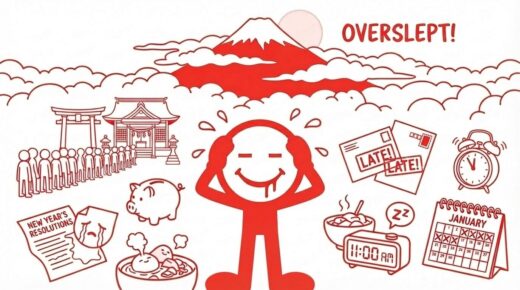
Introduction: Are You Making These New Year Mistakes?
Many people hope to spend the New Year perfectly, only to realize later that it was full of regrets—overeating, overspending, rushing preparations, or getting caught in crowds.
The truth is, the Japanese New Year has several predictable “failure patterns” that almost everyone experiences at least once.
This guide introduces five common New Year mistakes and provides practical solutions to help you avoid repeating them.
Read this before the next New Year arrives, and you’ll enjoy the most comfortable and stress‑free holiday you’ve ever had.
Mistake 1: Making Too Much Osechi and Ending Up with Leftovers
A Common Story
A mother prepared more than ten dishes of homemade osechi, only to find that her family of four couldn’t finish even half of it. Much of it ended up being thrown away.
Why This Happens
- Following recipe portions without adjusting for your family
- Getting overly enthusiastic because it’s New Year
- Modern families don’t eat as much traditional osechi as before
How to Fix It
Understand How Much Your Family Actually Eats
Use your regular dinner portions as a baseline.
A realistic guideline:
- Adults: about 500g of osechi per person
- Children: about 250g per person
- Total dishes: 5–7 items are usually enough
Make Only the Dishes Everyone Likes
Ask your family what they actually want to eat. You may discover that some dishes aren’t necessary at all.
Use Half‑Portion Recipes
Cut ingredients and seasonings in half. Many “small‑portion osechi” recipes are available today.
Combine Homemade and Store‑Bought Items
For example:
Homemade → black beans, namasu
Store‑bought → datemaki, kamaboko
Practical Tips for This Year
- Create a preparation list with dish names, portions, and budget
- Prepare leftover‑friendly recipes (e.g., black bean pound cake, osechi stir‑fry, takikomi gohan)
- Freeze leftovers in small portions immediately
Mistake 2: Overeating and Drinking Too Much During the Holidays
A Common Story
A man gained 5kg over the New Year due to nonstop feasts and drinking. By January 4th, he had stomach pain and headaches and ended up at the hospital.
Why This Happens
- “It’s New Year, so it’s fine” mindset
- Lack of exercise
- Continuous parties and family gatherings
How to Fix It
Follow the Right Eating Order
- Vegetables
- Protein
- Carbohydrates (rice, mochi)
This helps control blood sugar spikes and prevents overeating.
Use the “Every Other Day” Drinking Rule
Drink one day, rest the next.
Also drink one glass of water for every glass of alcohol.
Do Light Morning Exercise
- 15‑minute walk
- Quick shrine visit
- Radio exercises at home
Keep Digestive Medicine on Hand
Use before meals, after meals, or before bed depending on symptoms.
Practical Tips for This Year
- Stop eating at 70% fullness
- Avoid eating after 8 p.m.
- Alternate “eating days” and “active days”
- Weigh yourself every morning to stay aware
Mistake 3: New Year’s Cards Arriving Late
A Common Story
A freelancer started writing New Year’s cards on December 28th and mailed them on December 31st. They arrived late, upsetting clients and friends.
Why This Happens
- Underestimating the deadline (must mail by Dec 25)
- Trying to do everything in one day
- Not updating address lists throughout the year
How to Fix It
Create a Backward Schedule
- Mid‑Nov: choose design
- Late‑Nov: update address list
- Early‑Dec: print or write addresses
- Mid‑Dec: add personal messages
- Dec 20–25: mail
Update Addresses Year‑Round
Record changes immediately when you receive notices or see updates.
Use Templates
Tools like Japan Post’s design kit or Canva save time.
Use Printing Services
They handle printing, addressing, and mailing.
Practical Tips for This Year
- Set a reminder for November 1st
- Reduce your recipient list to essential contacts
- Consider digital New Year’s cards for younger friends
- Prepare a “New Year card kit” in November
Mistake 4: Overspending on Otoshidama (New Year’s Money)
A Common Story
A mother gave otoshidama to 15 children in her extended family. The total exceeded ¥70,000, and with gifts and travel costs, her New Year expenses topped ¥100,000.
Why This Happens
- No prior budgeting
- Setting amounts too high
- Feeling unable to refuse
How to Fix It
Calculate the Total in Advance
List recipients and amounts to avoid surprises.
Know the Standard Market Rates
- Preschoolers: ¥500–¥1,000
- Lower elementary: ¥1,000–¥2,000
- Upper elementary: ¥2,000–¥3,000
- Middle school: ¥3,000–¥5,000
- High school: ¥5,000–¥10,000
Set Rules with Relatives
Agree on maximum amounts or age limits.
Create an Otoshidama Savings Fund
Save a small amount monthly.
Practical Tips for This Year
- Add “otoshidama savings” to your household budget
- Prepare envelopes early
- Keep extra cash on hand
- Consider a “parents only” rule to reduce burden
Mistake 5: Getting Sick After Waiting in Crowded Hatsumode Lines
A Common Story
A student waited three hours in freezing temperatures at a famous shrine on New Year’s Eve and ended up with a fever, spending the holiday in bed.
Why This Happens
- Visiting during peak hours
- Poor winter clothing
- Choosing overly popular shrines
How to Fix It
Visit During Off‑Peak Times
Hatsumode is valid until January 7.
Best times:
- Early morning on Jan 2 or later
- Weekday afternoons
- After Jan 4 (dramatically less crowded)
Choose a Local Shrine
Less crowded, shorter travel time, and equally meaningful.
Prepare Proper Winter Gear
- Warm coat
- Gloves and scarf
- Heat packs
- Thick socks
- Hot drink in a thermos
Consider Online Shrine Visits
Some shrines offer online prayer and mail sacred items.
Summary: Make This Year’s New Year Stress‑Free
Here are the key takeaways:
- Avoid making too much osechi by planning realistic portions
- Prevent overeating by following the 70% rule and staying active
- Prepare New Year’s cards early and update addresses year‑round
- Budget otoshidama in advance and set rules with relatives
- Visit shrines during off‑peak times and dress warmly
Three Principles for a Better New Year
- Don’t aim for perfection
- Prepare early
- Follow your family’s own style
Quick Actions You Can Take Today
- Add “Nov 1: Start New Year Prep” to your calendar
- Create your otoshidama list and budget
- Discuss hatsumode timing with your family
- Bookmark this guide for December
Wishing you a smooth, enjoyable, and mistake‑free New Year.